
Worldwide, research-based pharmaceutical companies, in their path from understanding a disease to bringing a safe and effective new drug to patients, continuously produce a great deal of documents.
During the journey of a new drug from the lab to the patients, these documents need to be translated into the audience target languages to facilitate communication between members of multinational research teams, to get approval by the competent local regulatory authority where the drug is intended to be marketed, to promote the new drug among healthcare professionals (HCPs) and to reach the patients and caregivers with educational material in their own languages.
During drug discovery at the laboratory, internal documents needed for lab operations and regulatory compliance have to be accessible to all lab staff: quality manuals, standard operating procedures (SOPs), personnel files, test records, training records and equipment maintenance and calibration records, just to name a few. The specialised medical translator familiar with concepts of chemistry, biochemistry, biology, molecular biology, among other related scientific disciplines, can come in handy to help multinational lab teams be on the same page about each process during the discovery of a potential new candidate compound.
Once a promising molecule or lead compound has been discovered, tests are performed to assess its safety, efficacy, and tolerability. During lab and animal testing (pre-clinical studies), documentation is created to record whether the drug is safe enough to be tested in humans. During clinical testing, the candidate drug goes through extensive studies in humans to prove it is safe and effective. Researchers carry out clinical trials working with patients and healthy volunteers and record every single result on research internal documentation, hardly ever translated, except for internal purposes; however, this documentation is the base of the Common Technical Document (CTD), an agreement between the European Union, the United States, and Japan in an attempt to unify and standardise the content and structure of the application dossier that is presented before the competent regulatory authority, for example, the EMA in the EU, the FDA in the USA or the PMDA in Japan, to obtain approval for the new drug marketing in a specific country or region. From clinical trial protocols (the study’s blueprint), investigator’s brochures (summary of data on the investigational drug), informed consents forms (ICFs), investigators’ curriculum vitae to adverse event reports, clinical study reports, and, of course, the application dossier itself, a compilation of files with product information compiled during the pre-clinical and clinical phases of the drug development. There is a lot of work here too for the specialised medical translator, who has to be fully conversant with all the stages of drug development and, most importantly, with the terminology of mandatory use in the pharmaceutical industry to provide precise, high-quality and timely translations that contribute to the new drug registration and approval process.
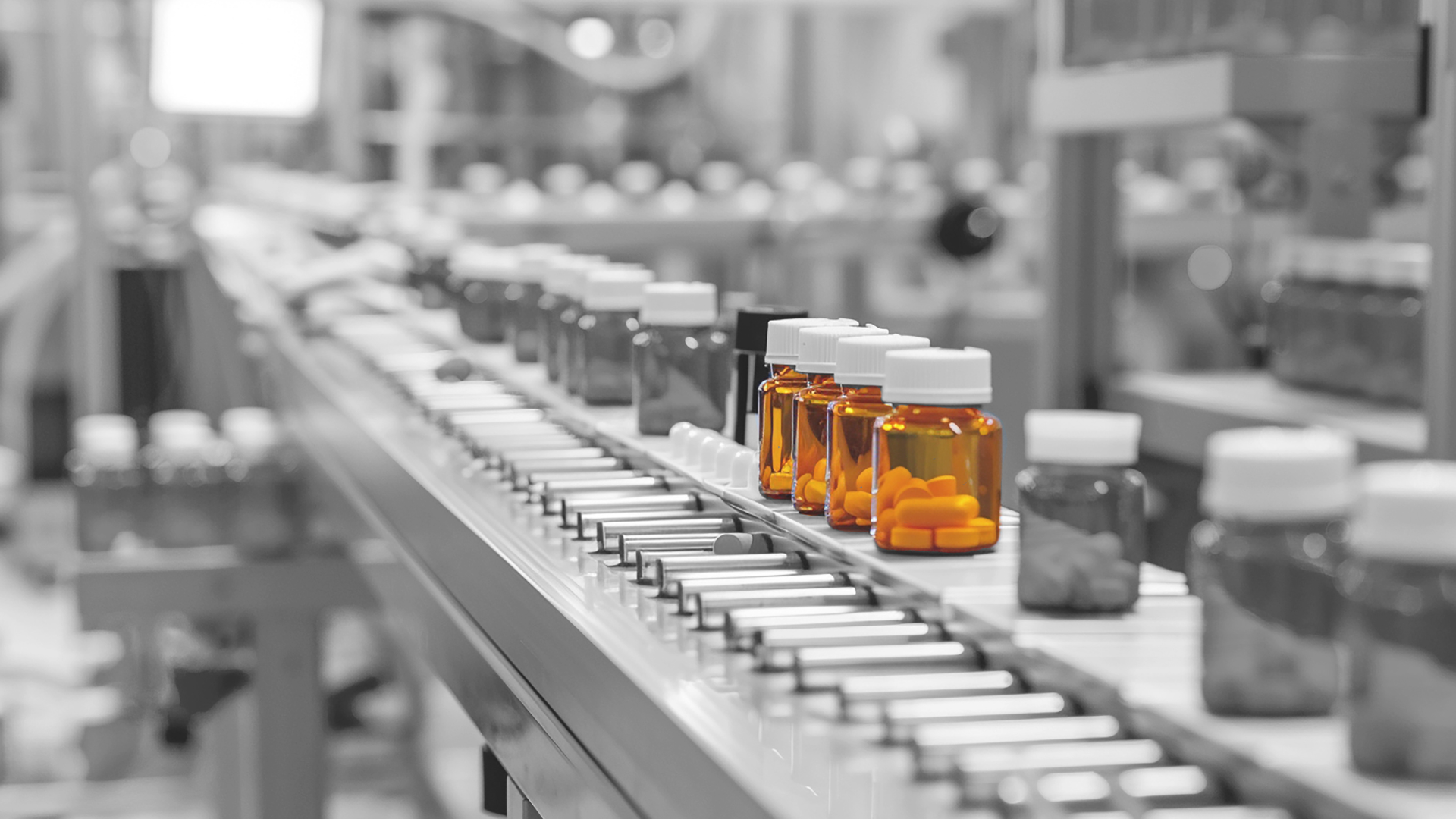
After revision of the application dossier by a committee of experts, and if everything is ok, the competent regulatory authority grants the pharmaceutical company authorisation for marketing the new drug in the country or region the authority has jurisdiction in. Then, the pharmaceutical company can go from clinical and pilot manufacturing to large-scale drug production to meet the new market demands. During the manufacturing process, documents -mainly technical and legal- are generated to provide systemic records of procedures and activities. The pharmaceutical manufacturing documentation a specialised medical translator can be in charge of includes SOPs, batch manufacturing records, packaging instructions, quality control records, and validation reports, among others. Mastering technical language and drug-manufacturing-specific terminology plus in-depth knowledge of the different drug manufacturing operations and critical control steps is vital to embark in the translation of this highly technical documentation and offer high-quality translations to help pharmaceutical companies comply with GMP in all their manufacturing plants around the world.
And, as it happens in most industries, what is a product without a key marketing strategy? To persuade HCPs to prescribe and promote the new drug, the pharmaceutical company elaborates drug promotional literature (DPL), for example, presentations, e-detailing, brochures, etc., that contains product information; that is, data obtained in clinical trials, which includes information about the drug safety, efficacy and tolerability profiles, and the indications for the specific patient population it is intended to.
The new drug also needs to reach the patients’ and/or caregivers’ ears. Advertising and educational material is also elaborated to help promote the marketing of the new drug. Specialised medical translators familiar with medical and pharmaceutical language as well as with the language of marketing can provide adequate translation services to help the pharmaceutical company captivate the product users in the target market.
But the journey of a new drug does not end here when it reaches the patient populations for which it was designed.
During the post-marketing experience, further studies are conducted to continuously assess the safety profile of the drug, now, in a bigger sample of patients: patients in the real world. During drug safety monitoring, further documentation is generated, for example, Periodic Safety Update Reports (PSURs) for periodic reviews or risk management plans for risk mitigation.
Besides, the scientific process relies on collaboration and communication. Researchers share -with peer colleagues and the general population- their findings, hypotheses, theories, evidence and lines of reasoning in different ways, for example, by publishing their papers or scientific articles in well-known international journals like Lancet or Nature, or by giving presentations in expert summits, conferences, congresses or seminars around the world. Here the services of interpretation and translation also come in handy. Specialised medical translators can contribute to scientific divulgation with precise, high-quality, and timely translations of the experts’ presentations, and with the transcription or subtitling of the audio content of those presentations.
I’ve answered the question as to whether there’s a place for translators in the pharmaceutical industry.
Now, my final question is: Are these types of documents meant to be translated by anyone? Let me paraphrase this question: Anyone can be in charge of the translation of this highly technical and sensitive documentation?
The answer is NO.
Only specialised medical translators fully conversant with all the stages of drug discovery, development and promotion, but most importantly, with the terminology of mandatory use in the pharmaceutical industry can make the difference and provide support with precise, high-quality and timely translations of key documents for drug approval and registration, training and marketing material for healthcare professionals as well as educational and advertising material for patients and caregivers.